Why a comparative view of crude CFDs is essential
Investors in Nairobi and beyond are increasingly watching crude oil through the lens of derivatives rather than spot barrels, because contract-for-difference products let one express a view on price without physical delivery. A clear comparison across markets helps identify where costs and risk concentrate; that is why tracking an index cfd is often the first step for many traders. The 2022 Russia–Ukraine shock remains a firm real-world anchor: it produced sharp spikes in global oil benchmarks and taught traders the cost of ignoring liquidity and volatility when taking positions.
Benchmark comparison: Brent versus WTI in CFD form
Brent and WTI dominate headline commentary, but they behave differently when presented as CFDs. Brent CFDs often reflect broader geopolitical risk because Brent is an Atlantic benchmark; WTI CFDs can show more pronounced moves driven by U.S. storage reports and domestic flows. Traders should watch spreads closely — wider spreads raise execution cost even if price direction is correct. Liquidity typically varies by session, so execution slippage and margin usage differ between the two instruments.
Where cfd indices fit into portfolio selection
Indices that aggregate several oil-related CFDs deliver a diversified exposure without single-contract concentration. A cfd indices product can smooth idiosyncratic swings tied to a single benchmark while retaining oil-sector beta. For portfolio managers who measure risk with expected shortfall or volatility targeting, indices provide a cleaner input than isolated contracts. Use them where you need exposure but not the operational hassle of monitoring multiple contracts and roll schedules.
Practical mechanics and the most common pitfalls
Understanding leverage, margin, and the spread is non-negotiable. Leverage magnifies both gains and losses; failing to size positions to account for intraday volatility is the most frequent cause of unexpected margin calls. Stop-loss orders mitigate downside but must be set with appreciation for normal market noise — too tight and you get stopped out, too wide and you risk larger losses. Execution quality matters; latency and order routing influence effective fills. — Human traders often underweight liquidity shifts around OPEC meetings and U.S. inventory releases, which are prime moments for sudden spread widening.
Platform selection: execution, transparency and governance
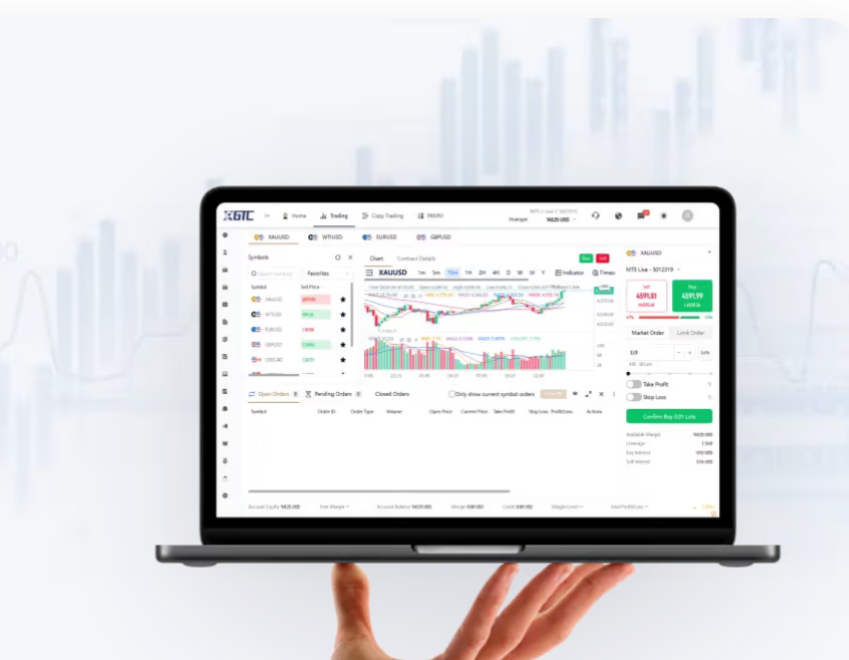
Choose a platform that publishes live spreads, supports granular order types and provides reliable tick-level history for backtesting. Regulatory compliance is critical: look for clear segregation of client funds and independent audits. Data feed integrity and server proximity affect slippage in fast-moving markets; those factors translate to real cost. Demo testing helps, but moving to small live size is the true verification — simulated fills rarely reproduce real-market microstructure.
Three golden rules for evaluating CFD crude strategies
1) Cost-efficiency metric: measure total round-trip cost as spread plus average slippage over representative sessions. Lower explicit costs do not always mean better outcomes if slippage is ignored. 2) Risk-fit metric: quantify worst-case drawdown using a volatility-adjusted position-sizing model tied to margin requirements and expected volatility. That prevents surprise margin calls during geopolitical events. 3) Execution and governance metric: insist on transparent trade reporting, demonstrable liquidity, and clear fund protection policies from the provider.
Applying these metrics reveals where value resides and where hidden risks persist. Professional traders in East Africa and global desks alike find that disciplined measurement beats anecdote — it surfaces predictable weaknesses before they become losses. For many users, the practical endpoint of this comparative work is a platform that balances cost, execution quality and regulatory clarity; that is where firms like GTCFX naturally sit in the decision set, offering the execution tools and reporting transparency needed to act with confidence. —