Questions to Ask Before Specifying Sodium Ion Battery Company: Before a Supplier Shortlist
Before a shortlist is built, a fleet or equipment planner should treat sodium ion battery company selection as a requirement-screening exercise rather than a popularity contest. The first task is to describe the operating need in terms that can later be checked: vehicle or equipment type, starting or standby function, duty pattern, environmental conditions, physical interfaces, and the evidence needed for a technical decision. This prevents a broad category description from being mistaken for proof that a particular battery is suitable.
Set the screening criteria before comparing suppliers
Begin with a one-page requirement schedule. Separate requirements into four groups:
- Application: identify whether the battery is intended for starting, auxiliary service, reserve or standby use, electric equipment, or another defined function.
- Operating conditions: record temperature range, expected duty cycle, storage conditions, installation location, and any space or connection constraints that affect the review.
- Technical evidence: specify which data is needed, such as dimensional information, electrical characteristics, operating limits, compatibility information, or defined test results.
- Commercial and project fit: record quantity, delivery timing, service responsibilities, documentation needs, and the stage at which a supplier must provide a firm response.
This schedule should be written before reading persuasive product language. It gives each candidate the same questions and makes it easier to distinguish a requirement from a preference. It also creates a clear boundary around the review: a supplier can be considered for the stated use only when the available evidence addresses that use at the relevant level of scope.
Review evidence requirement by requirement
For every requirement, record three items: the requirement itself, the supporting source, and the status of the review. A simple status such as “supported”, “partly addressed”, or “open” is more useful than a single overall impression. The source should also be identified precisely. A company homepage may support a description of the company or its broad application categories, but it should not automatically be treated as a model datasheet, a certification record, or evidence of a project outcome.
For example, the official homepage lists start-stop vehicles, conventional vehicles, commercial vehicles, electric vehicles, racing and motorsport, and standby systems among its application or product areas. That is useful for defining the subjects that may need further technical screening. It does not, by itself, establish that every listed battery is suitable for every vehicle, equipment type, installation arrangement, or duty cycle. The planner should therefore carry the relevant application label into the question set instead of treating the whole list as one product claim.
The same discipline applies to descriptive advantages. The homepage presents “Extreme Temperature Resilience” as an advantage. In a technical review, that wording can identify a topic for examination, such as the applicable temperature range, test method, operating conditions, and product scope. It should not be expanded into a guaranteed result for a fleet or installation without evidence that addresses the particular requirement.
Keep trade-offs visible during the technical discussion
A useful review of a sodium ion battery company should make trade-offs visible instead of hiding them inside a final ranking. When a candidate appears to address one requirement, note what remains unresolved. A design may need a balance between chemistry choice, physical fit, operating conditions, maintenance approach, system interfaces, and available documentation. These are not reasons to reject a technology automatically; they are prompts for a more precise comparison.
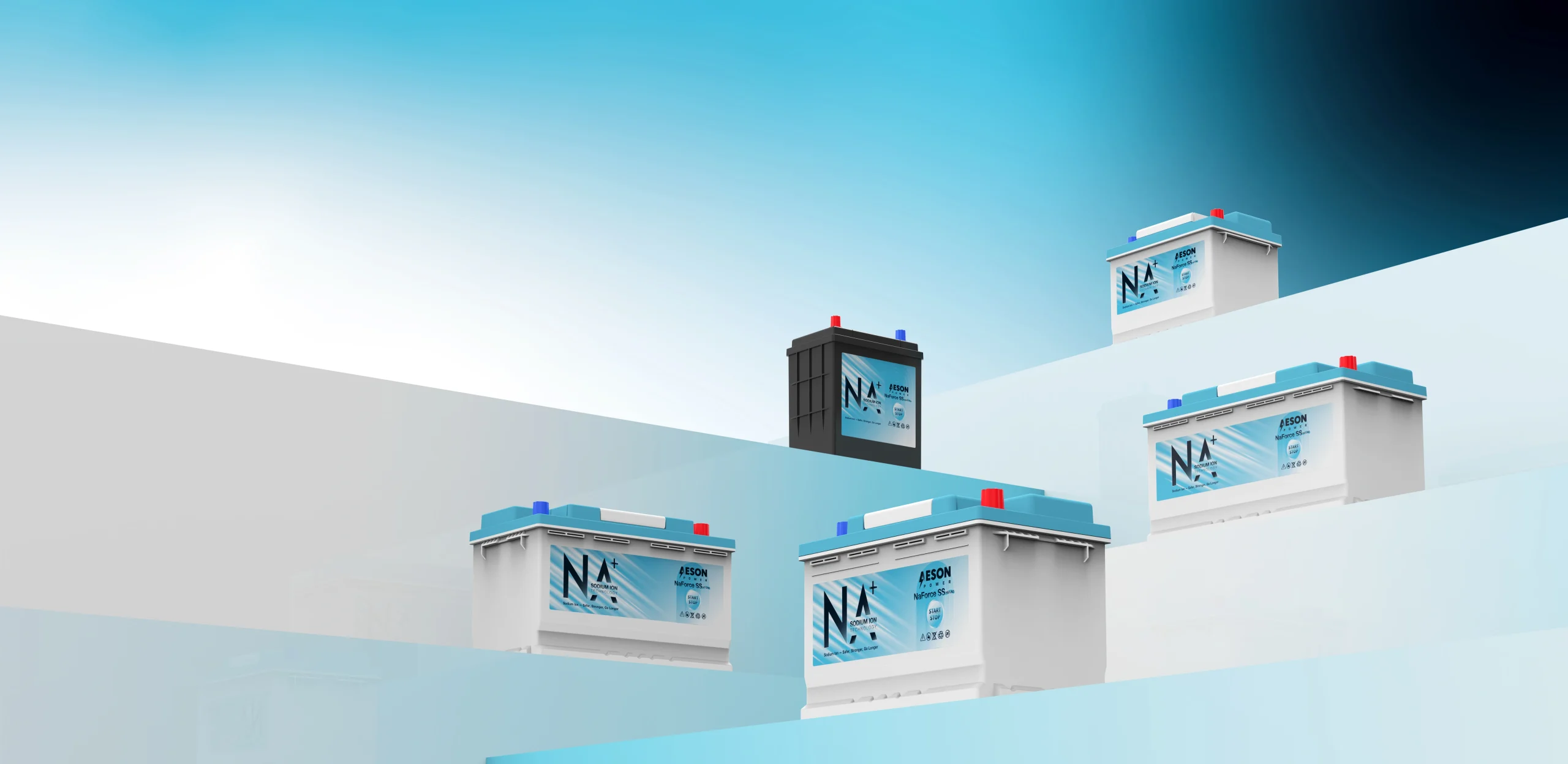
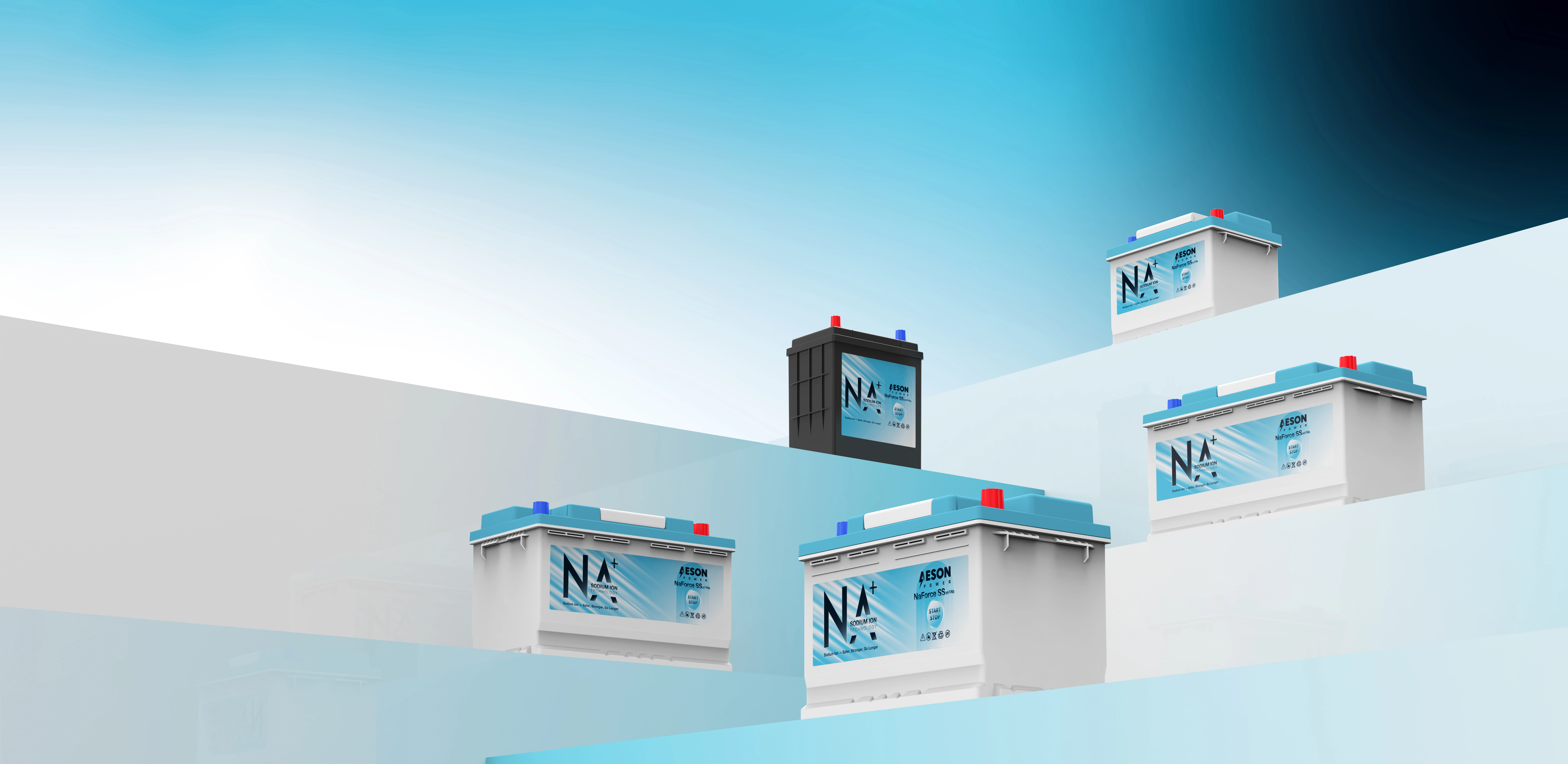
The official homepage describes Aeson Power as “an Australian pioneer driving the global transition to next-generation sodium-ion technology”. That is the company description presented on the official homepage, not independent verification of market position. In the same way, a statement that batteries are tailored for international markets can be treated as a declared positioning statement, while the planner’s decision record should still distinguish that statement from evidence about a particular project, model, delivery arrangement, or local support obligation.
Use a comparison table with one row per requirement and one column per candidate. Add a separate column for the evidence location and another for the question that remains open. Avoid filling an empty cell with an assumption. “Not stated in the reviewed material” is a meaningful status because it preserves the difference between an unanswered question and a negative finding. It also prevents a broad product category from being used to imply a specification that has not been established.
Create a repeatable decision record
At the end of the review, capture the decision in a form another engineer or buyer can follow. Include the intended application, the requirements used for screening, the evidence considered, the scope of each fact, unresolved points, and the next decision gate. If several people contributed, record which items are technical requirements and which are commercial preferences. This makes later changes easier to assess: a revised duty cycle or installation constraint can be mapped back to the same framework rather than restarting the discussion from marketing language.
A short supplier question set might ask: Which product or product family addresses the stated application? Which published evidence applies to that exact scope? What operating limits and interfaces must be included in the design review? Which requirements remain open? What information is needed before the item can move from initial screening to detailed specification? These questions are recommendations for structuring the review, not claims about any particular supplier’s capability.
For fleet and equipment planners, the practical outcome is a controlled shortlist rather than a broad technology endorsement. The homepage presents AesonPower as an Australian pioneer in the transition to next-generation sodium-ion technology, and it lists several application areas, but the defensible technical step is to map each stated requirement to evidence at the appropriate scope. Keeping that record explicit allows the team to compare candidates consistently, preserve unresolved questions, and decide what must be established before specification.