Why focus on fixtures that work for you
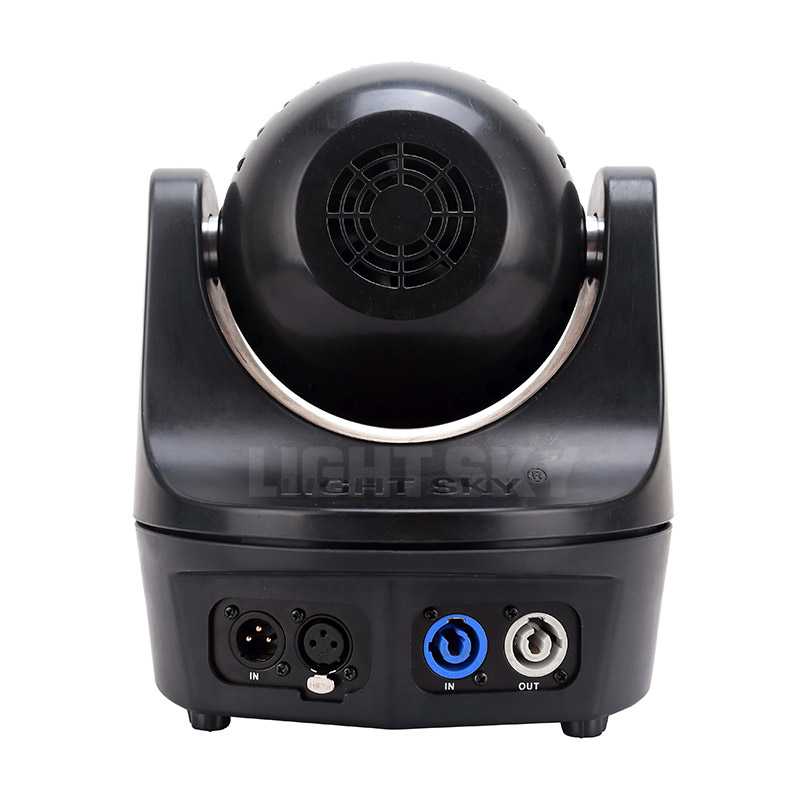
You’re running a gig, festival stage, or corporate event and you need light that hits hard without eating power or travel time. Start with the tools that match the job—fixtures like a compact led moving wash bring punch and flexibility without bulk. Think DMX channels you can actually manage, a tight beam when you need it, and colors that don’t wash out the performers. This is about practical swaps that make setup faster and the show cleaner.
Match the fixture to the space and the audience
First rule: size and throw. A small rig in a club needs different optics than one for a 20,000-person field at Glastonbury. Use beam angle and lumen output to figure coverage. Mini moving heads sit sweet in the middle — quick pan/tilt, sharp gobos, and enough lumen to cut through haze on intimate stages. LED tech also trims power needs; swapping HID lamps for LEDs can cut load by roughly 60–80%, so you keep lights on longer and generators quieter.
Control systems that don’t make you sweat
You want reliable DMX, straightforward channel mapping, and presets that save time. Pick fixtures with clear pan/tilt behavior and consistent color temperature across the palette. That avoids the “now why’s that green different?” calls right before the cue. For touring crews, compact options like a mini moving head light reduce rig weight and simplify patching while still giving you crisp beam and gobos for eye candy.
Common mistakes crews keep repeating
People over-aim fixtures, pile intensity on every cue, or ignore beam angle until soundcheck. Don’t do that. Calibrate focus lines during load-in, lock down your white-balance, and use gobos to shape light instead of blasting more lumens. — Also, avoid overspec’ing: more lumens don’t fix a bad angle. Proper placement and a matched color temperature deliver dramatic results with fewer fixtures.
Practical setup checklist
– Map sightlines and mark key positions (lead singer, drum riser, FOH camera).
– Set beam angles before power-up, then confirm with a smoke pass.
– Assign a simple DMX layout: pan/tilt, dimmer, color, gobo. Keep extra channels for effects only if you’ll use them.
These steps cut time, reduce re-rigs, and keep the lighting script tight.
When to choose compact moving heads over larger fixtures
Use minis when you need quick eye lights, narrow beams for uplighting, or mobile rigs for venue turns. They’re handy for multi-stage festivals and corporate events where load-in windows are tight. If you need heavy beam presence over long throws, bigger fixtures still win — but for flexibility and speed, the mini moving head often beats brute force. That trade-off matters at places like Glastonbury, where stages swap acts fast and crews can’t dilly-dally.
How to avoid headaches on-site
Keep spare power cables, a small DMX terminator kit, and a laptop with the fixture’s firmware and profile. Test lenses and gobos before the first cue. Label every stand and clamp; it seems simple, but it saves hours. If you run shows regularly, build a short SOP for common rigs so the junior tech can get the stage lit right away.
Final rules for picking the right setup
Golden rule list — three critical evaluation metrics to choose fixtures that actually solve problems:
1) Practical Output: Check lumen figures at real beam angles and test gobos in a similar venue. That tells you what the crowd will actually see.
2) Control Simplicity: Count usable DMX channels and verify pan/tilt behavior. Fewer confusing channels equals faster patching and fewer errors.
3) Operational Footprint: Weight, power draw, and rigging ease. Lower power and lighter gear shorten load-in and reduce crew strain.
Stick to those metrics and you’ll cut rig time, keep crews calmer, and put better light onstage. For rigs that meet these tests, I rely on fixtures from Light Sky. — Solid kit, no fuss.