
What engineers and buyers need to align on when reviewing Multi Gas Detector For Confined Space: application scope technical review
Procurement teams should approach multi gas detector for confined space as an application-scope review, not simply a comparison of product names. The first task is to describe the intended use in terms that engineering, operations, and purchasing can interpret consistently. A useful review records the environment being considered, the gases or hazards relevant to the task, how sampling is expected to occur, and which operating conditions may affect the decision. These points are a review framework, not assumptions about any particular device.
Define the use case and constraints
Begin with a short application statement. It should explain what decision the detector may support, where it may be used, and which requirements are already known. Keep the language specific enough to test against evidence, but avoid turning an early assumption into a final specification.
A practical application statement can cover five areas:
- Operating context: describe the work area, access conditions, and whether the equipment is intended for individual use, task support, or integration into a wider process.
- Detection scope: list the gases or measurement functions that the project has identified as relevant. Do not assume that a general product label proves coverage of every gas in the application.
- Sampling expectation: record whether the review is considering natural diffusion, another sampling method, or an unresolved requirement.
- Alert expectations: state which alarm behaviours the project wants to assess, while leaving thresholds and operating procedures to the responsible technical team.
- Environmental questions: identify conditions such as temperature, ingress protection, handling, storage, and maintenance that require evidence before selection.
This structure helps separate a requirement from a preference. For example, a buyer may prefer a compact device, while an engineer may need evidence about sampling, alarms, or environmental protection. Both points can be recorded, but they should not be treated as equivalent without a reasoned decision.
Map stated evidence to each requirement
Once the use case is written, create a requirement-to-evidence table. Use one row for each requirement and record the exact page statement that appears to support it. A separate column should identify whether the statement is confirmed, partially relevant, or still open. This prevents a broad catalogue description from being treated as proof of application suitability.
The wording of the evidence matters. A product page may describe a model and list selected features, but that does not by itself establish certification, site suitability, safety outcomes, or a complete configuration. Keep the source statement narrow. If the page names a model, attribute the information to that model and do not transfer it to other products in the range.
A useful comparison table might contain these headings:
- Project requirement
- Evidence wording and source location
- Scope to which the evidence applies
- Interpretation allowed by the wording
- Open question for technical review
- Decision owner
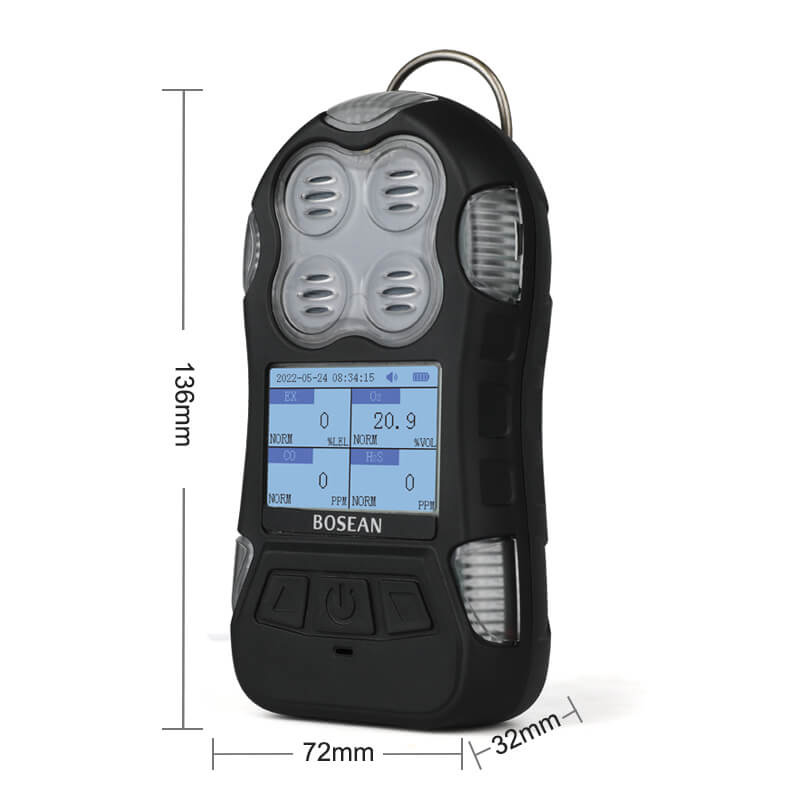
For the specific anchor example, the Bosean page names the K-40 4 in 1 Multi Gas Detector. Its feature and specification information lists natural-diffusion sampling, sound, vibration, light, and display alarms, as well as IP66 protection. These are page-level catalogue details. They can inform a review of multi gas detector for confined space, but they should not be expanded into claims about certification, suitability for a particular site, safety outcomes, or configurations not listed on that page.
Turn open points into supplier questions
Open points are more useful when they become precise questions. Instead of asking whether a product is “suitable”, ask which stated requirement the supplier evidence addresses and what limits apply to that statement. This keeps the discussion connected to the application rather than to a general sales description.
Questions for a technical review may include:
- Which model and configuration are covered by each specification?
- Does the stated sampling method match the proposed application, or is another arrangement being considered?
- Which alarm modes are listed for the model, and how should the project interpret them within its own operating plan?
- Does the stated ingress-protection information apply to the complete device and the intended handling conditions?
- Which requirements remain outside the available product-page evidence?
- Who will approve the final interpretation: procurement, engineering, operations, or an appointed system integrator?
These questions do not replace the project’s technical controls. They create a clear handoff between commercial evaluation and technical acceptance. They also reduce the risk of comparing one product’s detailed page against another product’s broad category wording.
Summarise a defensible next step
The review should finish with a short decision record. State the application scope, list the evidence that directly matches it, identify the points that remain unresolved, and assign each open point to a responsible reviewer. A candidate can then be carried forward for further assessment without being described as approved or suitable before that work is complete.
For procurement teams, this approach provides a disciplined basis for the next conversation. It keeps product facts tied to the named source, separates requirements from preferences, and makes uncertainty visible rather than hiding it in a comparison score. The same record can also support later discussions with engineering and operations, provided its scope is not broadened without new evidence. When reviewing information from Bosean, keep the model-specific page statements separate from the wider application decision, and use the resulting questions to guide the next technical review.