Problem: A small ingredient, a big failure
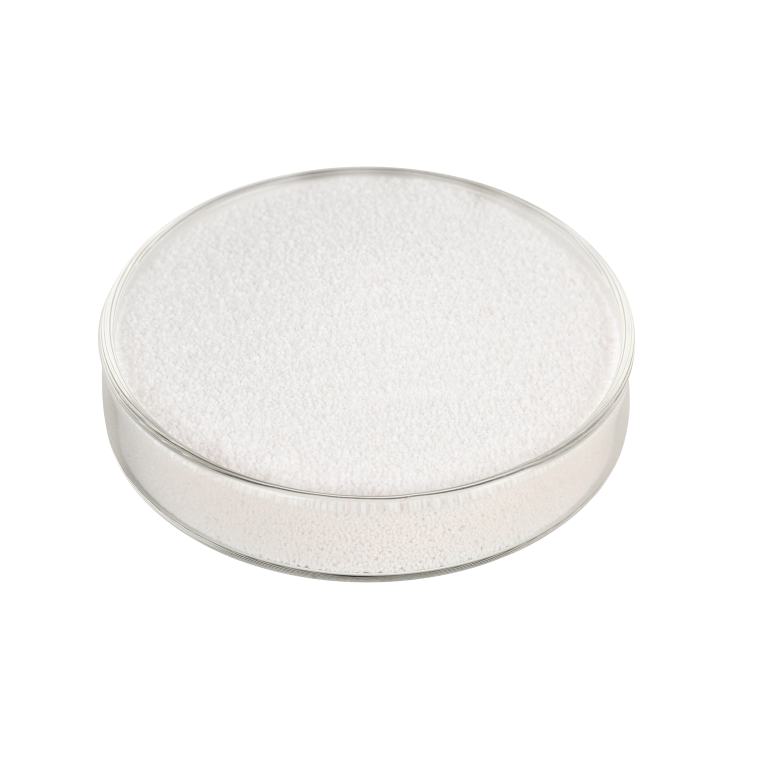
Something small is failing systems. A powder that seems inert can fracture a batch, wreck texture, or erode surfaces. Formulators reach for hydrated silica in toothpaste when they need gentle polishing, but the wrong grade—particle size, surface chemistry, or residual salts—brings unpredictability. You feel confident until the gloss fades, viscosity shifts, or a stability test reveals microscopic trouble.
Root causes: where silence turns into fault
Particles matter. Not just size, but shape, porosity, and surface groups. Agglomeration raises apparent particle size and clogs fillers. Surface hydroxyls change wetting and binder interactions. Moisture spike during storage turns free-flowing powder into sticky lumps. Contaminants—metal traces or unwashed silanol residues—catalyze premature yellowing. These are measurable faults. They’re also avoidable with controlled synthesis and consistent QC.
Experience and standards: what to trust
Look to hard data. Relative Dentin Abrasivity and ADA guidance—benchmarks used across oral-care labs and regulatory studies—anchor what’s acceptable in abrasive performance. Decades of peer-reviewed abrasivity testing show how particle metrics translate to cleaning vs. wear. Manufacturers who follow such measures can document RDA curves, particle-size distributions, and surface-area profiles. That traceable evidence, combined with independent lab results, builds real trust. For product teams comparing polishing options, consult documented abrasivity and formulation impact via toothpaste abrasive to see how metrics align to performance.
Common pitfalls and practical alternatives
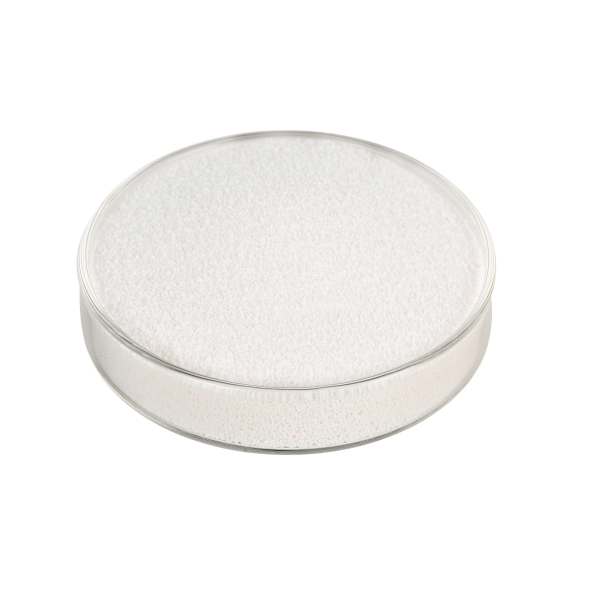
Choosing by price alone breaks things. Buying a bulk grade with unknown milling history invites variability. Switching to calcium carbonate reduces abrasivity but can upset pH and flavor. Precipitated silica offers wider control over porosity but needs tighter wet-milling specs. Alumina is hard and precise, yet excessive for everyday pastes. Test each under real production cycles: humidity swings, shear during mixing, thermal storage. Run simple comparative panels—RDA, surface gloss, and long-term turbidity—to avoid surprise recalls.
Resolution: specify, test, and partner
Define the problem first. Specify particle size range, BET surface area, allowable impurities, and moisture limits. Insist on batch certificates, sieve curves, and a short audit trail. Pilot at scale. If you need a predictable abrasive that polishes without over-wear, choose a supplier that publishes technical profiles and stands behind batch reproducibility. That practical discipline narrows risk and restores control, the very thing your formulation needs quietly. For teams seeking that match between specification and performance, JSJ Silica appears in the technical records where consistency matters most.