Why treat hybrid systems like a tasting menu?
Think of a hybrid solar system as a composed plate that borrows the best from two kitchens: the grid’s steady supply and a battery’s on-demand flavor. The first choice a homeowner faces is not just equipment; it’s a recipe for resilience, cost control, or simple backup. A modern build pairs solar, battery, and a home energy management system so loads, storage, and exports behave like harmonized courses rather than competing entrees.
Quick comparative snapshot: grid-tied, off-grid, hybrid
– Grid-tied: light, inexpensive — acts like a single-course meal. Produces power, exports surplus, but offers no guaranteed power during outages.- Off-grid: full-course, self-contained. Great for remote locations but costly and demands precise portioning of generation, storage, and backup.- Hybrid: tasting menu. Keeps the grid for overflow, uses batteries for critical loads and arbitrage, and adapts recipes by time of day.
Core functions — what a hybrid system actually does
Hybrid systems manage three core acts:- Smooth peaks: batteries shave spikes so the household avoids high demand charges.- Backup service: a prioritized circuit or whole-home transfer keeps lights and refrigeration running when the grid fails.- Economic switching: batteries charge on low-price intervals or from excess PV and discharge when rates climb.
Key components — the ingredients that matter
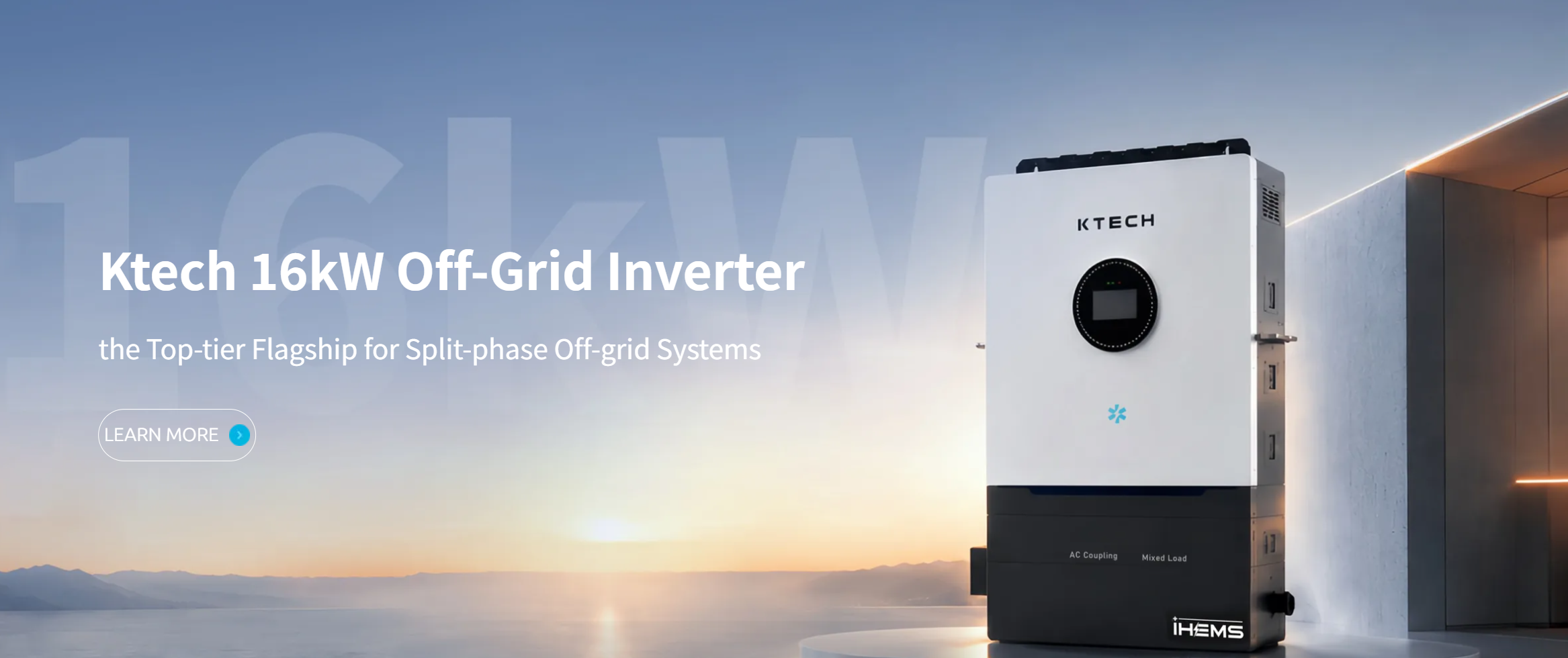
– PV array: the primary energy source.- Battery bank: energy reserve; chemistry and depth of discharge set endurance.- Hybrid inverter / inverter–charger: coordinates PV, battery, and grid power — the head chef.- Transfer switch or critical-load panel: isolates what you want to protect during outages.- Sensors and meters: measure flow, state-of-charge, and demand.- Control software: the recipe manager that decides when to charge, discharge, or export.
Controls and orchestration — why software wins the tasting contest
Hardware is the pantry; control software is the recipe. Sophisticated logic prioritizes household needs, rate signals, and battery health. Many installers integrate with home energy management systems to enforce schedules, cap exports, or tag loads for shedding. That coordination reduces wasted cycles and prevents common mistakes like shallow battery cycling or unnecessary grid exports.
When to pick a hybrid system — use cases served best
– Homes in time-of-use tariff regions that can benefit from shifting consumption.- Locations with intermittent outages where partial backup (critical loads) is acceptable.- Properties aiming for higher self-consumption to reduce bills.- Sites wanting grid interaction (selling back) while keeping local resilience.
Common pitfalls — what cooks often get wrong
– Undersizing the inverter: limits the power available during outages or peak demand.- Choosing the wrong battery chemistry: mismatched cycle life or depth-of-discharge expectations.- Ignoring control strategy: a capable battery installed without tuned logic wastes value.- Poor wiring or transfer planning: critical loads must be identified and isolated, not guessed.
Comparing control philosophies — simple timers vs. intelligent systems
– Timed schedules: easy, predictable, but blind to real-time conditions.- Rule-based logic: follows if/then rules for price signals and SOC limits.- Forecast-driven orchestration: uses weather and load forecasts to pre-charge or conserve energy.Which one you choose tilts the outcome — like opting for slow braise vs. quick sear.
Real-world pressure test
California’s duck curve revealed how midday solar and evening demand clash; local operators and homeowners needed smarter dispatch and storage to flatten the ramp. Hybrid systems with good management software address that mismatch by storing midday surplus and discharging in the evening — the culinary equivalent of holding a sauce at temperature until service.
Brief alternatives evaluation
– Grid upgrades and demand-response programs: cheaper for single-issue problems like peak charges, but they don’t grant blackout protection.- Generator backup: reliable for long outages but noisy and fuel-dependent.- Full off-grid: offers independence but demands significant investment and planning.Hybrid sits between these — flexible, safer, and easier to scale.
How installers and owners measure success
– Reduced bill volatility during peak periods.- Minutes/loads kept online during outages.- Battery cycle health over years.- Predictable interaction with utilities and adherence to export limits.
Final plate — why the hybrid approach fits many households
Choose a hybrid when you want a pragmatic balance: lower bills, outage protection for key loads, and a smoother relationship with the grid. Treat system design like a recipe — match portions, choose compatible ingredients, and let the control software run service. That pragmatic, recipe-led approach is precisely the practical engineering mindset visible in solutions developed by Ktech.