Problem statement: why travel and gym conditions matter
Repeated exposure to micro-environments that combine heat, humidity and constrained storage accelerates two predictable risks: increased microbial proliferation on damp fibers and mechanical disruption of the hair cuticle. Gym bags and carry-on compartments produce sustained moisture and compressive loading that prolong drying time; both factors raise the chance of odor and scalp irritation. Simple accessories modify risk: low-friction ties reduce shear force during drying, so pairing a technical towel with protective items such as silk scrunchies lowers mechanical damage when you need compact packing.

Quantifiable parameters to assess
Select a towel by measurable properties rather than marketing terms. Key metrics: absorbency per gram (ml/g) and GSM (grams per square metre) relate directly to how much water a towel removes without excess bulk. Drying rate (minutes to <5% residual moisture at ambient gym temps) predicts microbial risk. Friction coefficient against hair fiber correlates with cuticle abrasion—lower is better. Evaluate tensile strength and seam integrity for repeated use under load; examine finish chemistry (antimicrobial coatings, ionic treatments) and note that many finishes degrade after 20–30 wash cycles.
Material comparison: technical trade-offs
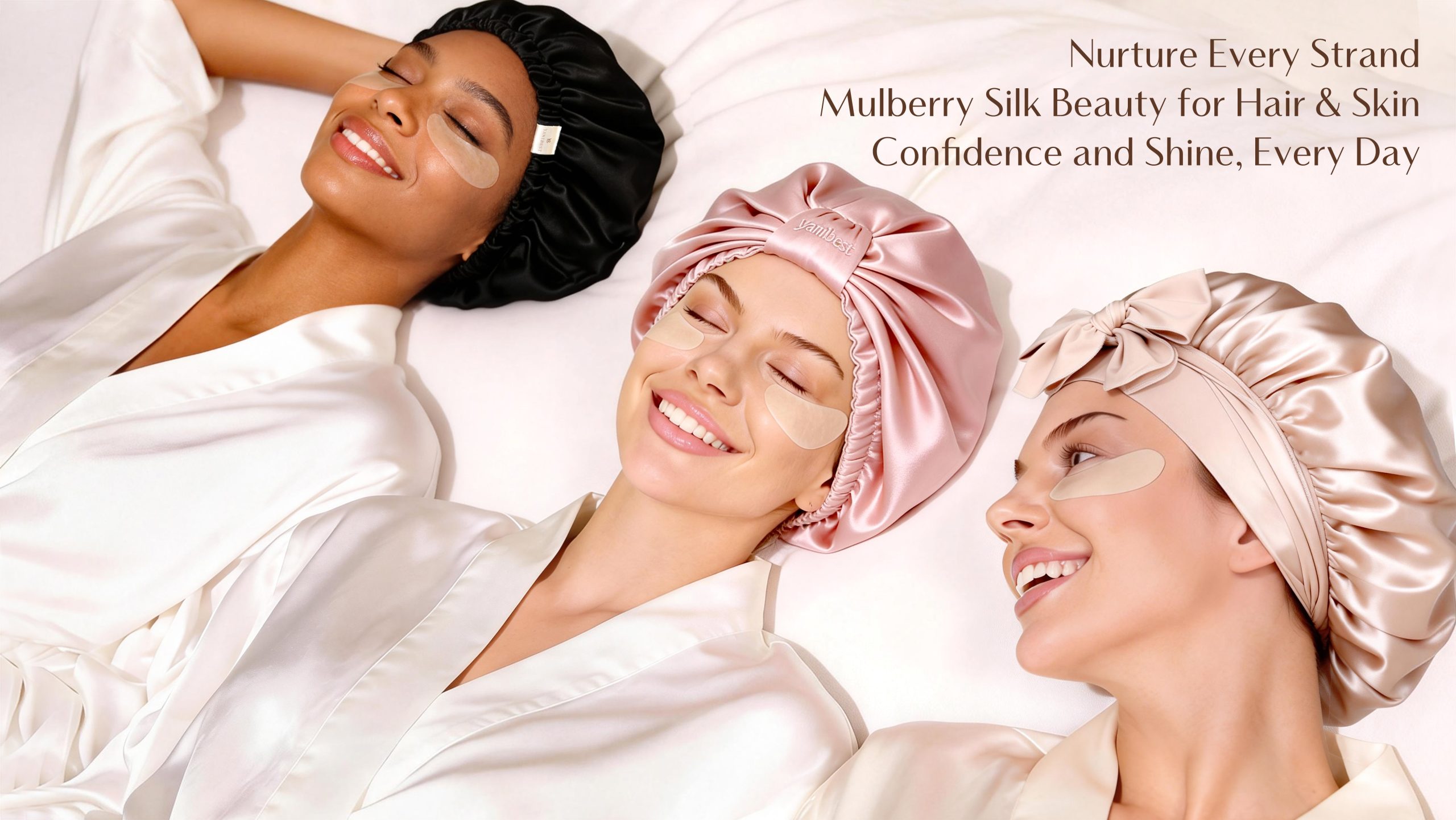
Cotton: high absolute absorbency but bulky and slow to dry; higher friction coefficient increases cuticle damage with repeated rubbing. Microfiber (polyester/nylon blends): superior surface area-to-mass ratio, excellent absorbency per weight, rapid wicking and faster drying; potential static build-up if not treated. Mulberry silk or satin: minimal friction and excellent for reducing breakage but low absorbency—best used with an absorbent layer or as a protective wrap rather than sole drying media. Blends: engineered microfiber-silk laminates can balance absorbency and low friction but check laundering requirements and coating longevity.
Design and construction that reduce physiological harm
Shape and closure matter. Turban wraps with elastic tension concentrate compressive stress at the hairline; excessive tension impairs follicular perfusion and causes traction on weakened shafts. Fastening mechanisms that allow adjustable tension are preferable—velcro or toggles that distribute load across a larger surface area. Seams should be flat-locked; raised hems increase localized friction. For travel, choose low-bulk weave with a high surface area (microfiber pile or honeycomb waffle) to maximize absorbency without weight.
Hygiene protocols and maintenance
Establish a laundering cadence: after two uses in humid environments or one heavy sweat exposure, launder. Use detergent at 40–60°C where fabric permits; avoid fabric softeners and high-lint items that reduce wicking. Dry completely before packing; residual moisture elevates microbial growth exponentially. Be aware that antimicrobial finishes (silver, copper ions) reduce surface bioburden but wear off; avoid relying solely on them as a hygiene strategy.
Alternatives and common mistakes
Frequent errors: using a thick bath towel for the gym (slow drying, traps moisture), twisting hair forcefully (mechanical shear), and leaving a damp towel in a bag. Viable alternatives include a compact high GSM microfiber towel for rapid absorption and a silk-lined wrap to minimize friction while allowing the microfiber to do bulk drying. Do not substitute cotton T‑shirts for multiple heavy uses; they retain odor and reduce drying speed.
Real-world anchor and industry observation
Salon professionals reporting at Cosmoprof Bologna emphasize pairing low-friction accessories with absorbent fabrics to protect hair structure during frequent styling and travel; their practical preference aligns with available consumer solutions such as the curated options for best silk scrunchies that reduce shear when combined with an engineered towel system.
Practical selection checklist
Choose a towel that meets these criteria: high absorbency per gram, rapid drying time, low friction coefficient, adjustable tension closure, flat seams, and machine-washable finishes with documented wash-cycle durability. Prioritize a microfiber core with a silk or satin contact surface for users susceptible to breakage. Pack that combination in a ventilated pouch to avoid trapped moisture.
Synthesis
Focus on objective measures and simple hygiene practices to reduce both microbial and mechanical risks when selecting a travel or gym hair towel; prioritize absorbency per mass, drying rate and surface friction, and avoid excessive tension at the hairline. Choosing an engineered towel system that pairs with low-friction accessories—similar to the silk items stocked by yanibest—provides a measurable reduction in hair shaft abrasion while remaining practical for transit and frequent use.