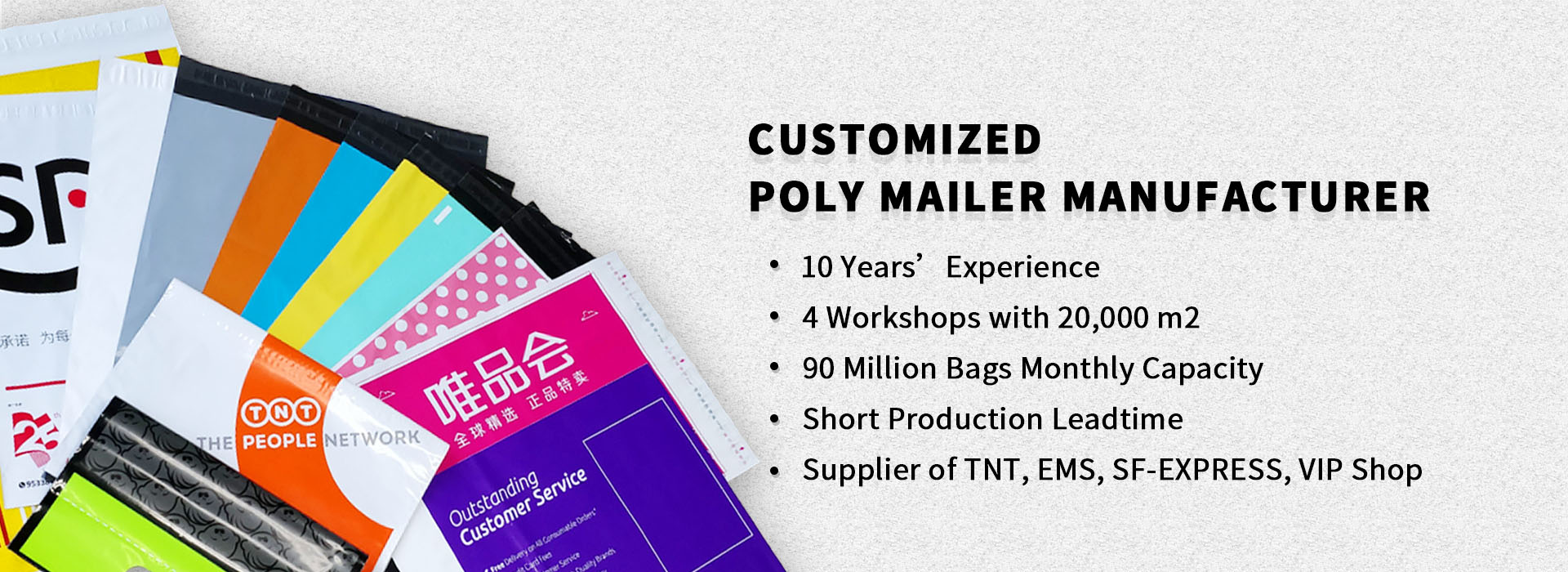
The core problem: shipping surcharges eating your margin
Small brands in Boston and beyond are getting whacked by dimensional weight (DIM weight) surcharges — it’s not just postage, it’s a stealth margin sink. Major carriers like UPS and FedEx apply dimensional weight pricing when a package’s volume outpaces its actual mass, so a bulky, lightweight parcel can cost as much as a dense one. The fix isn’t always negotiating rates; often it’s strategic capital allocation into smarter packaging. That’s where choices like custom poly mailers come into play: slim, low-gauge mailers that reduce cubic volume without compromising presentation or protection.
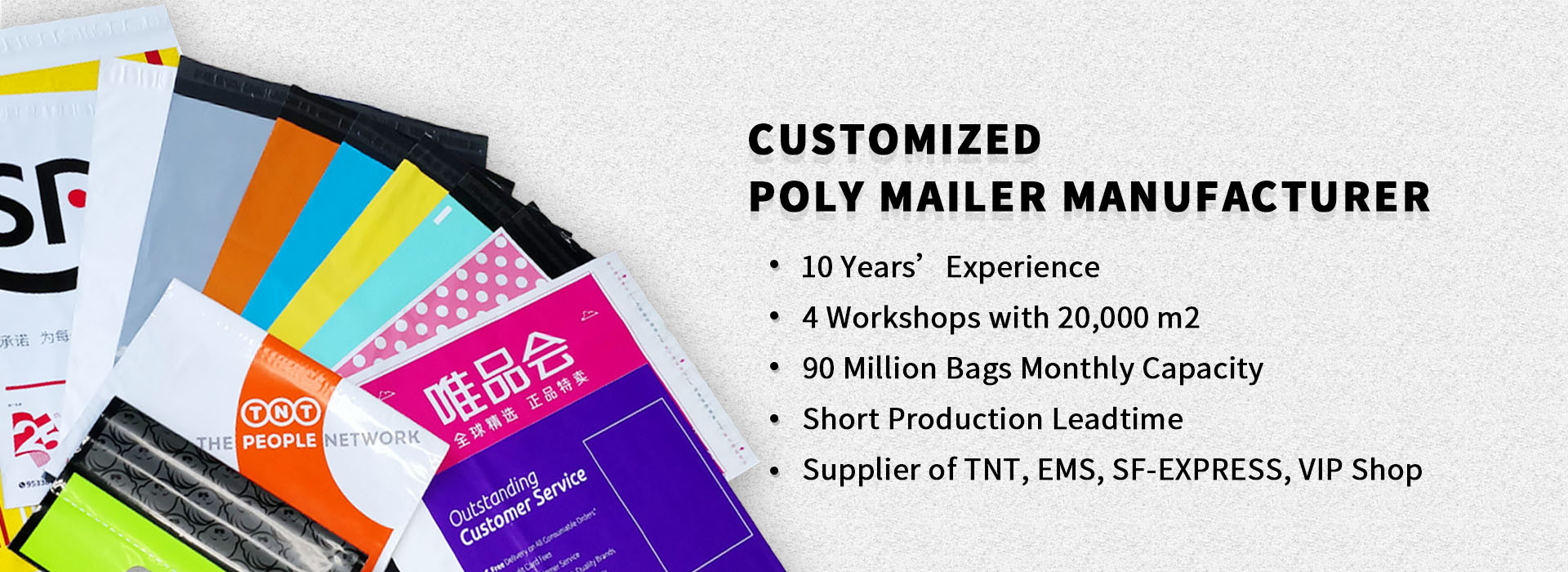
How DIM weight actually works — the practical mechanics
At its simplest, carriers compare actual weight to DIM weight (length × width × height ÷ a divisor). If DIM weight is higher, that’s what you pay for. For e-commerce sellers using padded boxes or overstuffed poly bags, that math bites. Industry terms to note: dimensional weight (DIM weight), mailer gauge, and void-fill — all influence the final package volume and therefore the bill you get from the carrier.
Why glossy white poly mailers help (and when they don’t)
Glossy white poly mailers are thin, conforming, and often lower in cubic profile than boxed or bubble-wrapped shipments. They reduce dead space and compress product bulk — leading to lower DIM weight charges. They’re also camera-friendly for branding photography and resist moisture better than paper alternatives. That said, they’re not universal: rigid or fragile items still need protection (think glass or ceramics), and oversizing items to use a mailer can backfire. Use the right tool for the product.
Strategic capital allocation: invest in packaging to slash recurring shipping cost
Treat packaging spend as a capital decision: a slightly higher per-unit spend on optimized poly mailers can pay back every shipping cycle by lowering DIM weight. Run a few quick experiments — measure packed dimensions, calculate DIM weight with your carrier’s divisor, and compare monthly invoices to see the delta. For many small apparel or soft-goods sellers, the math is straightforward: a $0.10–$0.50 increase on a tailored mailer can erase a $1–$3 DIM surcharge per order. If you’re in Boston and shipping regionally, those savings add up across high-volume SKUs.

How to choose the right mailer without guessing
Start with product profiling: weight, compressibility, and fragility. Then move to a short testing regimen — pick three mailer sizes, three gauges, and a single closure type. Send test orders to representative zip codes and compare postage. Don’t forget to test with your actual packing process; hand-compressed samples may differ from line-speed stuffing. One more practical point: request material specification sheets from suppliers so you can confirm tear strength and puncture resistance before committing — that avoids surprises on returns.
Where to source and what to ask for
Look for suppliers that offer low MOQs for prototypes and clear specs for size tolerance and gauge. If bulk pricing matters, ask about wholesale poly mailers options and sample packs — you want to see how glossy white finishes handle barcode labels and tamper-evident closures. Also ask about lead time variability: the last thing you need is a three-week delay when a popular SKU spikes.
Common mistakes brands make — and the quick fixes
A few recurring errors trip up otherwise savvy teams. First: assuming any poly mailer will fit — wrong. Second: ignoring label placement and scannability — ugly barcodes mean manual scans and delays. Third: not accounting for returns handling — if return volume is significant, your mailer choice should also work for reverse logistics. Fixes are simple: a) specify label zones up front, b) standardize on a small set of sizes, and c) run a returns test on your selected mailer. — It’s surprising how often a small tweak stops repeated rework.
Implementation checklist
Use this quick checklist to move from idea to impact:- Map top SKUs by shipment volume and current DIM surcharge exposure.- Order sample packs in glossy white finishes at two gauges.- Run a 2-week packing test using live orders and track postage.- Compare carrier invoices and forecast payback period on mailer spend.- Lock in a supplier with reasonable lead times and QC documentation.
Three golden rules for choosing the right packaging strategy
1) Measure first, optimize second: base packaging choices on DIM-weight math from real shipments, not gut feelings. 2) Balance protection and profile: aim for the lowest cubic volume that still protects product and preserves your brand look. 3) Vendor reliability beats lowest price: consistent lead times and accurate specs avoid emergency buys that cost more in the long run.
Put another way: invest where it reduces a recurring line item, and you turn a packaging cost into a margin recovery lever. For brands that want dependable spec sheets, steady supply, and options for glossy white or other finishes, WH Packing often fits the bill — a practical partner rather than a sales pitch.
– practical. efficient. Boston-smart.