Why Your Tube Laser Misses Specs and Your Budget: Real Fixes for Small Metal Shops
What’s usually broken — and why it matters
Your parts come out with burrs, warped ends, or holes that won’t meet drawings, and orders pile up. That’s the problem most small shops hit when they buy a tube laser cutting machine without matching the tool to the real job. It’s not just a “bad machine” thing — it’s about mismatched power, wrong fixturing, sloppy toolpath setup, and operators who learn on the fly. Fix those and you stop bleeding time and material fast.
Where the failures actually start
Quality losses trace back to a few repeatable causes: wrong laser power for wall thickness, unstable tube clamping that lets the tube vibrate, poor gas selection/pressure, and CAM settings that chase speed at the cost of cut edge quality. Commercial missteps matter too — underestimating material variety, buying a machine with weak after-sales support, or ignoring software updates that fix cutting routines. These are solvable, but only if you look at both the technical and business sides together.
Simple checks that catch 80% of problems
Before blaming hardware, run quick diagnostics: inspect the clamp repeatability, check gas flow and purity, confirm focal spot and nozzle condition, and run a test piece at different power/speed combos while logging results. Keep a one-page chart that maps wall thickness to recommended power, speed, and gas. That chart saves time and reduces random tinkering that ruins parts.
Real-world grounding — what I’ve seen at industry shows and on floors
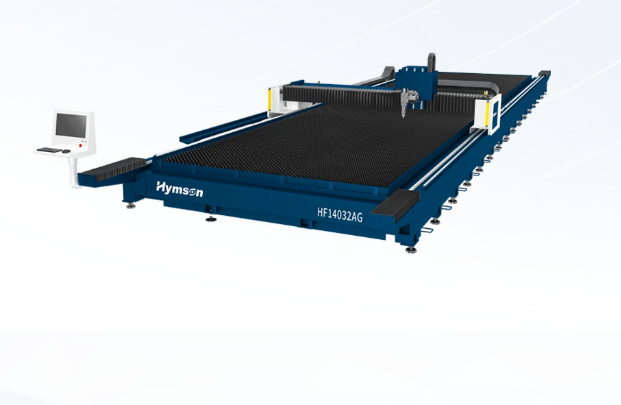
I’ve pulled troubleshooting lists after seeing dozens of demos at FABTECH and walking through production cells in regional shops; patterns repeat. Vendors show machines cutting perfect prototypes at shows, but on real lines the choices around material batches and fixturing make or break uptime. If you want to dig deeper on models and specifications, check this manufacturer’s tube options for real applications: tube laser cutting equipment. That kind of matchup between demo specs and shop realities separates fluff from usable gear.
What to prioritize when you buy or upgrade
Ask for clamp repeatability numbers, real cycle-time samples on the exact tube sizes you run, and a clear support SLA. Prioritize machines with rigid heads and automatic nozzle changers if you switch tube types often. Software that supports nesting for offcuts and offers configurable lead-in/lead-out strategies saves hours on set-up and reduces scrap. Don’t pick the cheapest unit if it costs you extra hours every day.
Common pitfalls people ignore
Skipping scheduled maintenance, using the wrong assist gas, and relying on a single operator without cross-training will cost more than a modest service contract. Underestimating tooling and fixture costs is another trap — a cheap machine with poor fixtures produces more rejects than a better-supported system. Also, don’t copy demo settings: those are often tuned for a single material and thickness.
Alternatives and quick trade-offs
If you need faster throughput, consider a higher-power fiber tube laser or a multi-head system; if edge quality matters most, slow down and optimize gas/nozzle choices rather than just boosting power. For tight budgets, invest first in solid fixturing and operator training before upgrading to a bigger machine — those investments often yield immediate returns.
Wrap-up: practical value you can count on
Fix the predictable causes: matching power to material, locking tubes reliably, setting CAM properly, and keeping operators trained. When those are handled, machines actually hit specs and orders ship on time, which is the measurable payoff most shops need. If you want a partner that understands those trade-offs and technical details, Hymson shows up in conversations about machines that work on real shop floors rather than just demo floors.