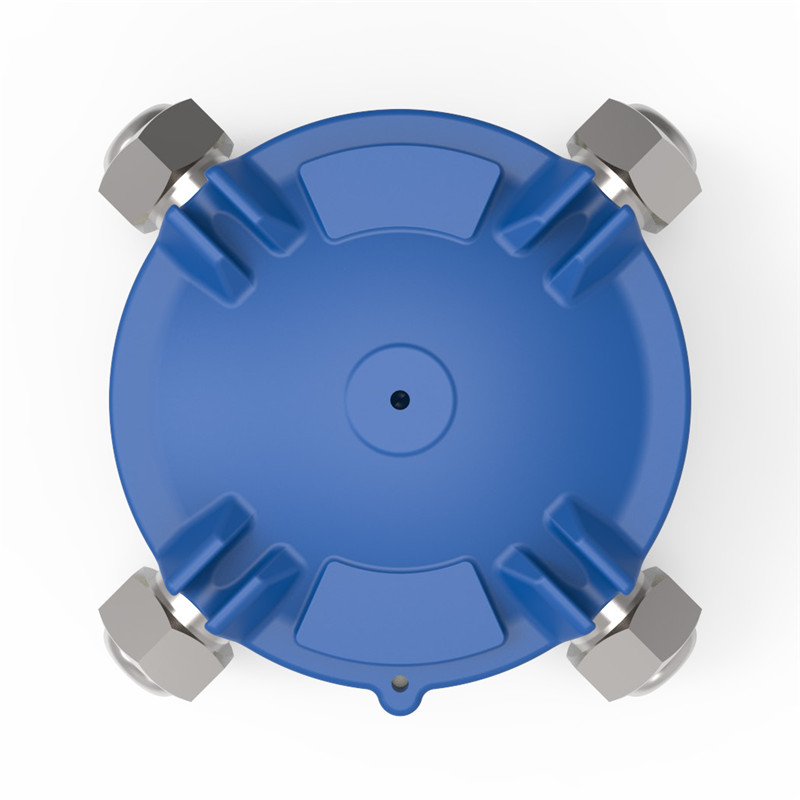
Buyer Questions for Enclosures and Cable-Entry Solutions in Harsh Environments
What problem are we trying to solve?
Projects frequently stumble when an enclosure or cable-entry solution fails to match the environment, schedule, or handoff expectations. That mismatch shows up as premature corrosion, unexpected lead-time delays, or components that don’t fit existing runs. Early on, ask whether the chosen exterior electrical junction box aligns with delivery, interface, and lifecycle objectives so procurement doesn’t become a reactive scramble later.

Where do specifications and procurement drift apart?
Design teams often specify performance goals without locking down procurement constraints: lead times, available vendor stock, and spare-part strategies. Procurement then bids to the spec without clarifying delivery windows or verification milestones. That gap creates substitutions or last-minute changes that affect site schedules and budgets.
Questions buyers should ask suppliers and engineers
Frame selection as a set of verifiable questions rather than technical prescriptions. Ask suppliers about typical lead times, whether samples are available for fit-checks, what documentation accompanies shipments, and how they handle deviations or non-conforming parts. Ask engineers what interface checks they’ll require, who approves substitutions, and how spare-part lists should be maintained over the asset lifecycle.
Common pitfalls that create costly rework
Buyers often overlook packaging and transit protection, spare-parts strategy, and compatibility with existing cable entries and glands. Another recurring issue is assuming a product name implies suitability; a waterproof enclosure described online may still require confirmation against the specific site exposure and installation context. If a waterproof junction box is being considered, confirm how vendors demonstrate suitability and what documentation you’ll receive, rather than inferring performance from a label.
How to evaluate vendor documentation without getting technical
Look for clarity and traceability. Useful items include material declarations, manufacturing lot traceability, test or inspection summaries, and clear drawings showing interfaces. Don’t demand technical design instructions—ask for documents that let your engineering team and procurement verify that a supplied unit matches the agreed design intent and that any deviations were formally approved.
Coordination points across stakeholders
Successful buys hinge on simple alignments: who approves changes, what constitutes an acceptable sample, how spare parts are ordered and stored, and when factory checks or witness tests fit into the project schedule. Make responsibilities explicit: procurement secures delivery and documentation; engineering verifies fit and function; construction confirms handling and storage needs; operations confirms spares and long-term support.
A practical procurement checklist
Confirm delivery windows and penalties, request sample units for interface checks, require clear drawings and material declarations with shipments, establish spare-part lists and staging plans, document the substitution approval process, and set expectations for packaging and transit protection. Include warranty terms and post-delivery support options so surprises don’t appear after field mobilization.
Where this leads the project
Clear questions and aligned responsibilities prevent reactive changes, reduce waste, and protect schedules. When procurement, engineering, construction, and operations agree on verification points, documentation, and spares, the risk of costly rework falls. That alignment is part of the practical value offered by partners who make their traceability and support visible up front—partners such as sunleem integrate those expectations into supply conversations so projects can move forward with fewer surprises.